
The best interfaces aren't designed for users. They're designed for how people actually think, feel, and decide — especially under pressure.

Based in San Diego, I design at the intersection of human behavior, systems thinking, and emerging technology. I believe the best interfaces don’t just function—they reduce friction, build trust, and adapt to real-world context.
How I Think About Design
I’m deeply interested in how people make decisions in real-world contexts.
While many design problems focus on what users do, I spend time understanding why they do it—how emotion, context, cognitive load, and uncertainty influence behavior. That perspective helps me design experiences that feel intuitive, calm, and dependable, particularly when users are under pressure.
Background That Shapes My Work
Before moving into UX, I worked in fashion design. Designing for physical bodies taught me empathy, iteration, and how deeply form shapes experience. That same sensitivity now informs how I design for digital systems and human cognition.
Over time, my work has evolved toward enterprise and AI-driven products, where clarity, trust, and transparency matter as much as usability.
I'm especially drawn to human-centered AI and automation, designing for trust and uncertainty, complex workflows that need to feel simple, and systems that support people during critical moments.
Outside of Work
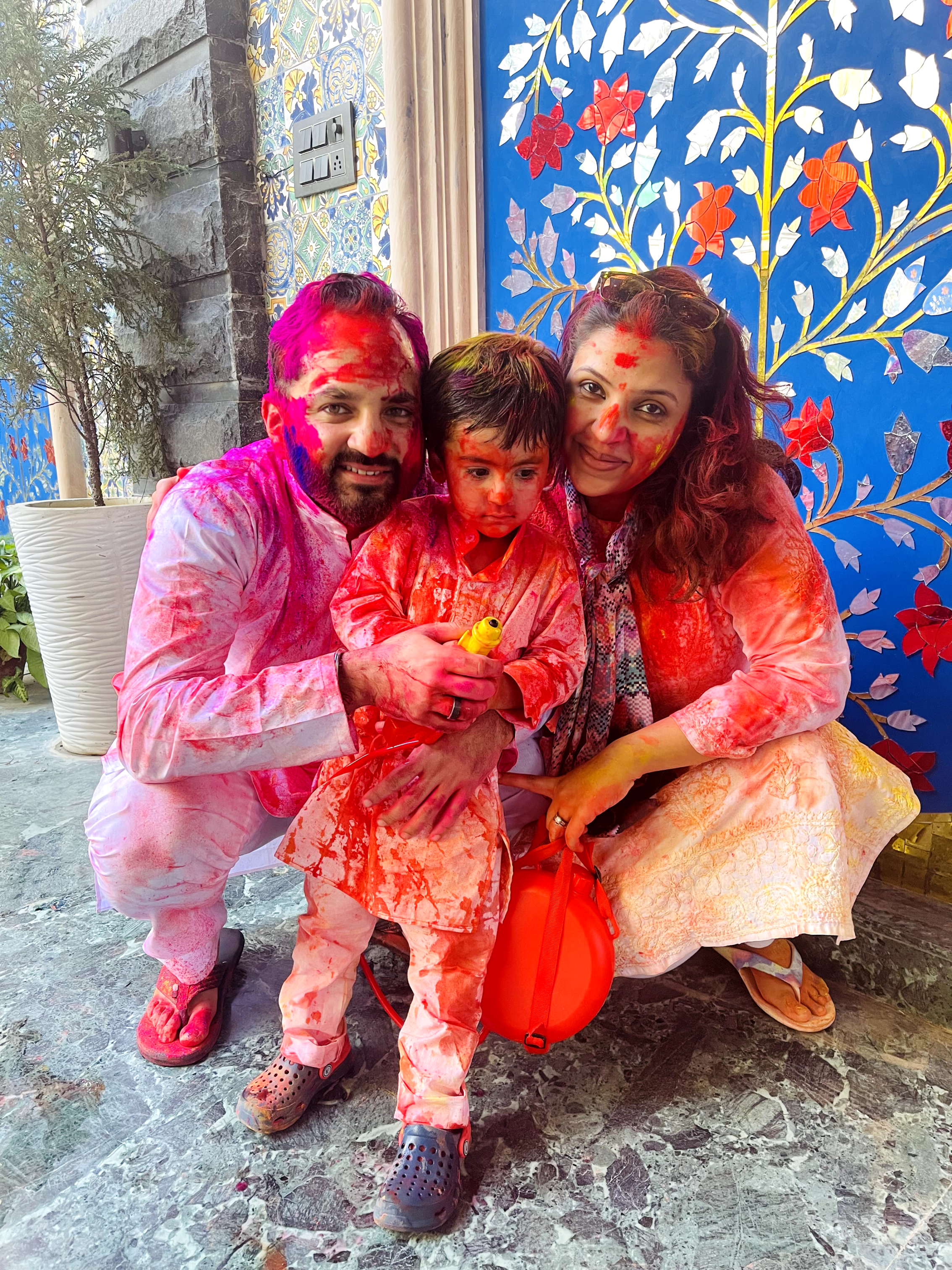
When I’m not designing, I’m usually reading and reflecting, creating art and illustrations, dancing and playing with my child, or writing about design and human behavior on Mind Meets Design. Time near the ocean helps me reset.
These pursuits aren’t separate from my work—they’re part of how I stay observant, grounded, and curious about the world people live in.



Why It All Connects
The more I understand people in everyday life, the better I design for them in digital spaces. That perspective shapes how I approach problems, collaborate with teams, and build products that feel thoughtful, usable, and honest.
Where I’m Headed
Senior or Staff UX roles where behavior-driven design meets complex systems — enterprise, AI, or anything in between.